-
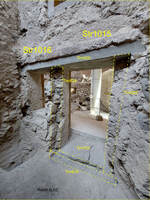
Vertical chase on rubble wall
...
-
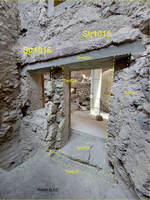
Vertical chase on rubble wall
...
-
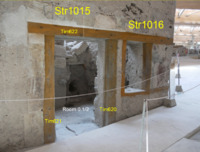
The external timber of the lintel of the door and the window, extending to
...
-
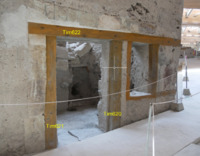
Vertical chase on rubble wall with ashlar frame, restored with concrete aft
...
-
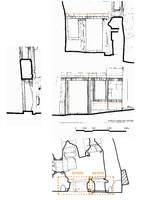
Entrance door to the West House, part of a load bearing door-and-window sys
...
-
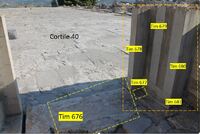
After restoration works, timber element was replaced by modern cement. It w
...
-
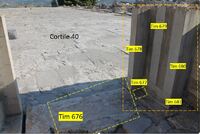
After restoration works, timber element was replaced by modern cement. The
...
-
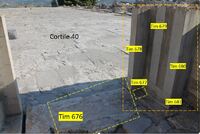
After restoration works, timber element was replaced by modern cement. The
...
-
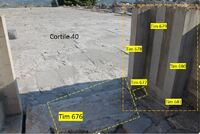
After restoration works, timber element was replaced by modern cement. The
...
-
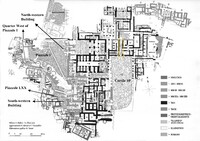
-
-
-
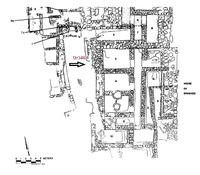
A ledge marking the lower section of the west wall 2.10 m. above the floor
...
-
-
-
-
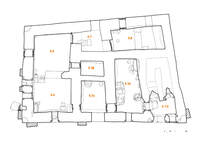
Room 0.1/2, the entrance hall to the West House, with a staircase leading t
...
-
Vertical chase spanning the thickness of the wall ; never fully excavated s
...
-
Vertical chases that span the thickness of the wall
...
-
Two ashlar courses preserved; two mortises on top of second course
...
-
Wall reused in later construction; original masonry unknown
...
-
Room with plastered floor and walls
...
-

All faces chiseled flat and then polished smooth
...
-
Anta block concealed by later walls; original construction unknown
...
-
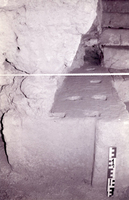
All faces chiseled flat and then polished smooth
...
-
Anta partially concealed later walls; original construction is unknown
...
-
Staircase to second floor of the Main Building
...
-
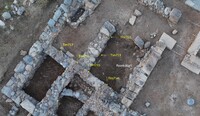
Roughly dressed stone, on second use. Possibly functions as a stone base fo
...
-
Roughly dressed stone, on second use. Possibly functions as a stone base fo
...
-
Roughly dressed stone, on second use. Possibly functions as a stone base fo
...
-
Roughly dressed stone, on second use. Possibly functions as a stone base fo
...
-
Roughly dressed stone, on second use, with a mortise on its upper side (sur
...
-
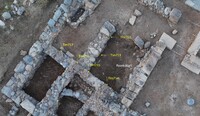
Roughly dressed stone, on second use. Possibly functions as a stone base fo
...
-
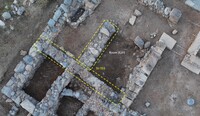
Transversal stones on the upper preserved surface of the partition wall and
...
-

Lime-stone base of the NW jamb of the door. It is of irregular shape and it
...
-
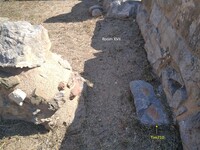
Lime-stone base of the SE jamb of the door connecting Rooms XXI and XVII. I
...
-
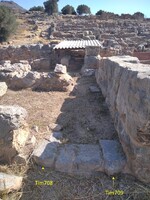
Lime-stone base of the SE jamb of the entrance door. It is of irregular sha
...
-
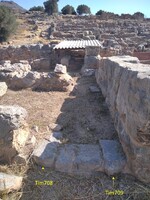
Lime-stone base of the NW jamb of the door. It is of irregular shape and it
...
-
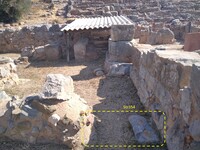
Interior door-opening proving access from Room XXI to Room XVII. The lime-s
...
-
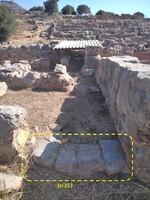
The stone bases of the timber door frame are preserved at the SW entrance t
...
-
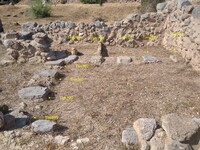
Lime-stone base of a polythyron pier. It is of irregular shape and it is lo
...
-
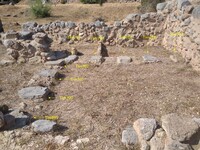
Lime-stone base of a polythyron pier. It is of irregular shape and it is lo
...
-
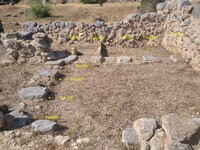
Lime-stone base of a polythyron pier. It is of irregular shape and it is lo
...
-
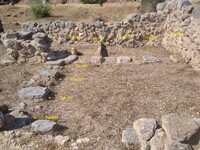
Lime-stone base of a polythyron pier. It is of irregular shape and it is lo
...
-
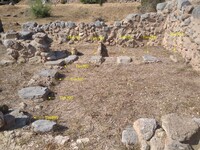
Lime-stone base of a polythyron pier. It is of irregular shape and it is lo
...
-

Lime-stone base of a polythyron pier. It is of irregular shape and it is lo
...
-
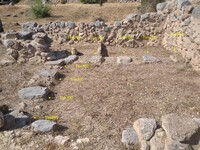
Lime-stone base of a polythyron pier (part on the NE-SW). It is of irregula
...
-
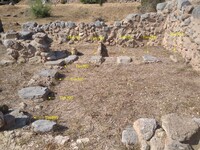
Lime-stone base of a polythyron pier. It is of irregular shape and it is lo
...
-

Lime-stone base of a polythyron pier. It is of irregular shape and it is lo
...
-

L-shaped polythyron at the SW and SE sides of Room XIX, preserved at the he
...
-
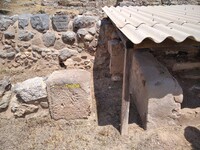
Vertical rectangular carving/chase at the western edge of the poros-stone b
...
-
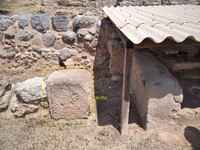
Poros-stone block at the SE free end of the SW wall of Room XVIII. It has b
...
-

L-shaped staircase adjasted at the eastern corner of the architectural "SW
...
-
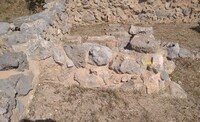
On the upper side of the preserved part of the SE wall of Room XVII, there
...
-
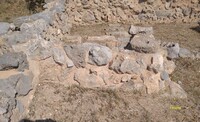
At the external corner of the L-planed, there is a chase of a vertcal timbe
...
-
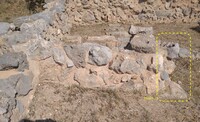
At the external corner of the L-planed, there is a chase of a vertcal timbe
...
-
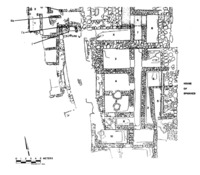
A large basement building with at least one upper floor built to the south
...
-
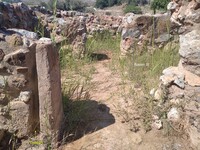
Vertical chase of a vertical timber element, based on stone, 0.10 m. above
...
-
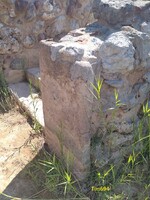
Vertical chase of a vertical timber element, based on stone, 0.32 m. above
...
-
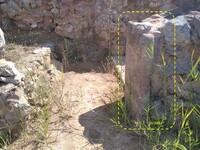
At the NW free end of the NE wall of Room III (SE part of the wall), measur
...
-
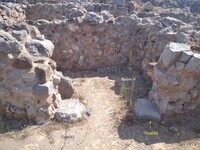
Lime-stone of irregular shape used as tha base of the SE jamb of the door.
...
-
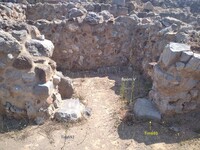
Lime-stone of irregular shape used as tha base of the NW jamb of the door.
...
-
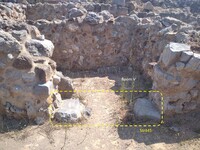
Door opening leading from the corridor to Room V. Only the stone bases of t
...
-

Lime-stone base of a vertical timber element at the NW free end of the NE w
...
-
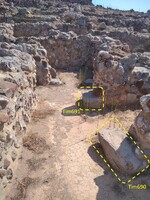
Lime-stone base of a vertical timber element at the NW free end of the NE w
...
-
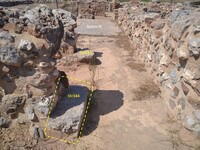
Lime-stone base of the pier at the free end of the NE wall of Room VIII. It
...
-

Lime-stone base of the pier at the free end of the NE wall of Room VIII. It
...
-
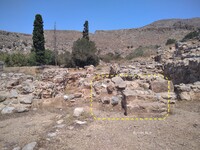
The structure adjasdted to the NW wall of Space XXXII was identified as an
...
-
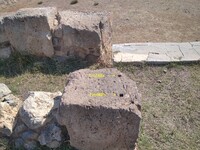
Rectangular (transversal) poros-stone base at the SE end of the string wall
...
-
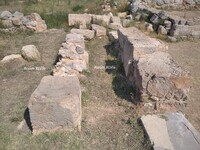
U-shaped staircase with wooden steps, accessible through the entrance corri
...
-
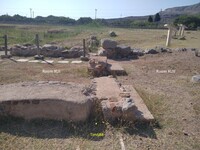
Vertical imprint/chase for the vertical timber element of the door frame. I
...
-
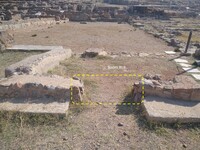
The general plan of the palace (published in 1974) shows imprints/chases on
...
-
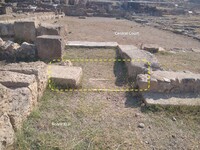
At the excavation report of 1965, there is a reference to the door jambs of
...
-
-
-
-
-

The imprint of the transverse beam is 0.16m deep and it is preserved 0.75m
...
-

-

-
The wooden staircase has not survived but the architectural characteristics
...
-
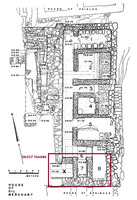
The staircase (which has not survived) started apparently from Room 8 and t
...
-
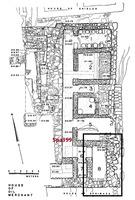
Room 8 is a long rectangular space with a single opening at the north west
...
-

The west jamb preserved traces of the original framing set into the clay p
...
-
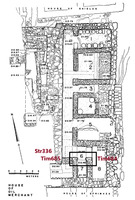
The east jamb preserved traces of the original framing set into the clay pl
...
-
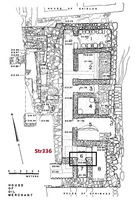
Two rectangular clay plastered doorjambs were detected in the doorway to Ro
...
-
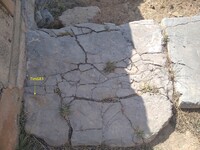
Shallow circular pivot hole for the rotate of the door leaf
...
-
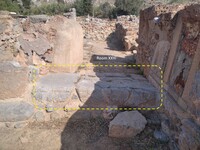
The existence of the door-frame is inferred by the pivot hole on the monoli
...
-
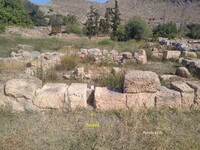
The centrally located chase (void) between the poros stones of the first co
...
-
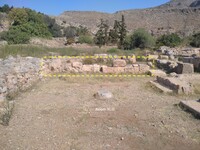
The first (preserved) course of the NW wall of the room is of poros-stones,
...
-
-
-
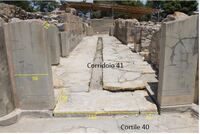
-

-

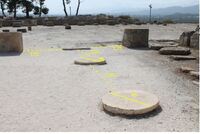
The stone base has been covered by modern cement during restoration works
...
-
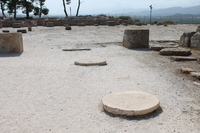
The stone base has been covered by modern cement during restoration works
...
-
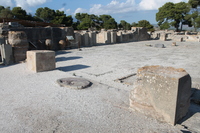
The base has an oval shape and it's by rodhonyte
...
-
-
-